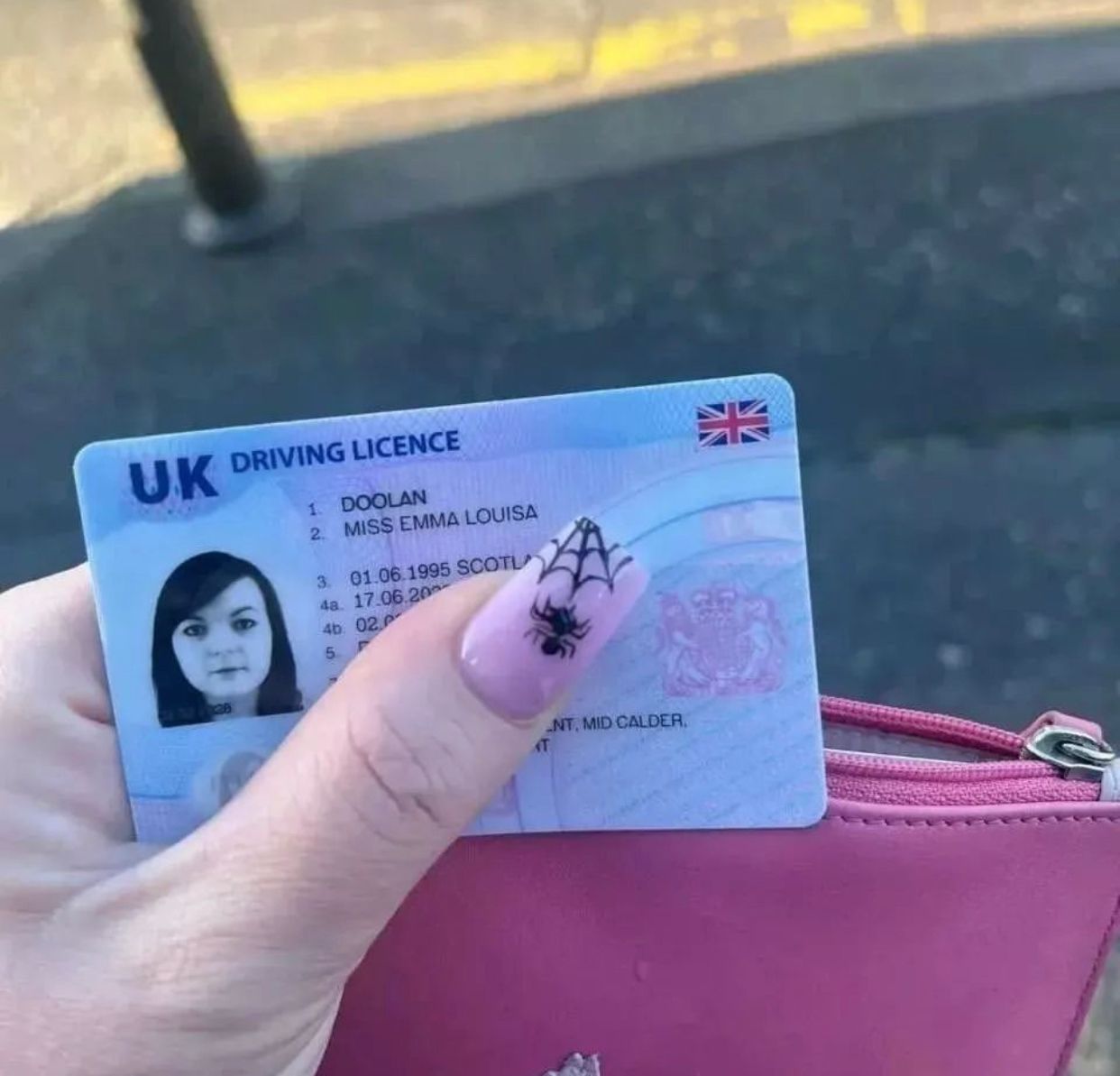
The Ultimate Guide to Obtaining a Driving Licence in the UK
Whether you are a fresh-faced teen excitedly expecting your very first driving lesson or an adult wanting to restore your driving benefits, acquiring a driving licence in the UK is a considerable milestone. This detailed guide will navigate you through the numerous types of driving licences readily available, the application procedure, required paperwork, and necessary ideas for a successful journey.
Types of Driving Licences in the UK
The UK concerns numerous categories of driving licences based on the kind of car you want to run. The following table offers a short introduction of each category:
| Licence Category | Description | Minimum Age |
|---|---|---|
| Category A | Bikes | 17 years |
| Classification B | Vehicles | 17 years |
| Classification C | Large Goods Vehicles (LGVs) | 18 years |
| Classification D | Buses | 24 years |
| Classification E | Trailers (when connected to another automobile) | Varies by vehicle |
The Application Process
Getting a driving licence includes a series of well-defined actions. The following list breaks down the primary phases:
- Check Eligibility: Confirm that you fulfill the age requirements and have a valid UK address.
- Get a Provisional Licence: This is the first step for any student driver. An application can be made online through the DVLA website or by sending a paper application (D1) offered at post offices.
- Prepare for the Theory Test: Before taking the driving test, individuals should pass a theory test that covers numerous topics, including road indications and traffic regulations. Buy A Real Driving Licence UK and mock tests are commonly readily available.
- Take Driving Lessons: It is advisable to take lessons with a certified instructor. Student drivers should display L-plates on their car.
- Pass the Practical Driving Test: Once you feel positive in your driving abilities, you can book your useful test. Tests are performed in real traffic conditions and consist of numerous driving manoeuvres.
- Request a Full Licence: After effectively passing both the theory and dry runs, a full driving licence application can be submitted.
Required Documentation
When making an application for a provisionary or complete driving licence, it is vital to offer accurate documents. The following table lists the required documents:
| Required Document | Description |
|---|---|
| Proof of Identity | Legitimate passport, national identity card, or a birth certificate. |
| Evidence of Address | Energy bills, bank declarations, or any official correspondence with your name and address. |
| Passport Photograph | A current, clear picture complying with the DVLA guidelines. |
| Application Fee | Payment can be made online or attached to the paper application. |
Note: Be conscious that documents needs to be existing and nice to ensure a smooth application process.
Costs and Costs
Getting a driving licence isn't without its expenses. The following breakdown illustrates the prospective expenses included:
| Fee Description | Approximate Cost (₤) |
|---|---|
| Provisional Licence Application | 34 (online)/ 43 (paper) |
| Theory Test Fee | 23 |
| Practical Driving Test Fee | 62 (weekday)/ 75 (weekend) |
| Driving Lessons | 25-40 per hour |
| Full Licence Application (after passing) | 34 |
Tips for Success
Securing a driving licence can be a competitive and typically difficult endeavor. Here are some valuable suggestions to guarantee success:
- Choose the Right Instructor: Select a certified driving trainer who has a good performance history. Check out reviews or look for suggestions before making your choice.
- Practice Regularly: Frequent practice can significantly boost self-confidence and skill levels. Go for a mix of urban and rural driving conditions.
- Know the Highway Code: Familiarise yourself with the Highway Code, which lays out vital information on road indications, guidelines, and safe driving.
- Stay Calm During Tests: Anxiety is a typical companion throughout driving tests. Try relaxation strategies, such as deep breathing or visualization, to manage nerves.
- Prepare for the Weather: If possible, practice driving in various climate condition to develop abilities in handling negative circumstances.
Often Asked Questions (FAQs)
1. The length of time does it require to get a driving licence?
The time it takes to acquire a driving licence can differ commonly, based upon private situations. Those who dedicate time to driving lessons and studying for the theory test usually progress quicker. It might take anywhere from a few months to over a year.
2. What occurs if I fail my driving test?
If you fail your driving test, do not be disheartened. You will receive feedback describing the factors for your failure. You can book another test after a waiting period (normally around 10 days). Review your weak points and practice completely before trying again.
3. Can I drive with a provisional licence?
Yes, learner drivers can drive when supervised by a certified driver. The accompanying driver should be over 21 years and hold a complete licence for a minimum of three years.
4. What should I do if I lose my driving licence?
If your driving licence is lost or stolen, report it to the DVLA as soon as possible. You can request a replacement licence online.
5. Are there any driving limitations with a provisional licence?
Yes, provisionary licence holders should constantly show L-plates, can not drive unaccompanied, and are prohibited from driving on motorways.
Obtaining a driving licence in the UK is an amazing venture that opens various doors of self-reliance and opportunity. With the right preparation, understanding of the process, and decision, striving drivers can navigate their method through to success. Whether you are driving to work, checking out the countryside, or commuting to social engagements, being a certified driver certainly enhances life's experiences. So buckle up, stay safe, and enjoy the journey ahead!